Fences
Post-and-rail, privacy and paddock fencing in drawknifed locust. The wood outlasts pressure-treated pine several times over, and it does it without a coat of anything.
Fences, rails, arbors, gates and whatever else you have in mind — built from the hardest wood in North America by two cousins whose fathers started this, in Lake Toxaway, NC.
Fences, rails, arbors, gates, awnings, furniture — and a fair amount that has never fitted a category. Every piece starts as a locust log and ends up drawknifed past the bark and the soft outer layers, which is the part that decides how long it lasts.
Post-and-rail, privacy and paddock fencing in drawknifed locust. The wood outlasts pressure-treated pine several times over, and it does it without a coat of anything.
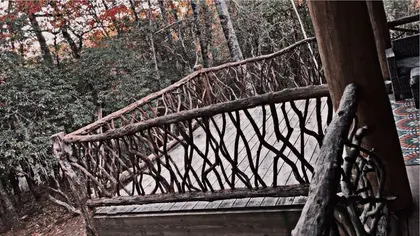
Rails and balustrades for porches, decks and stairs. Locust is the hardest wood in North America, which is exactly what you want under a hand that leans on it every day.
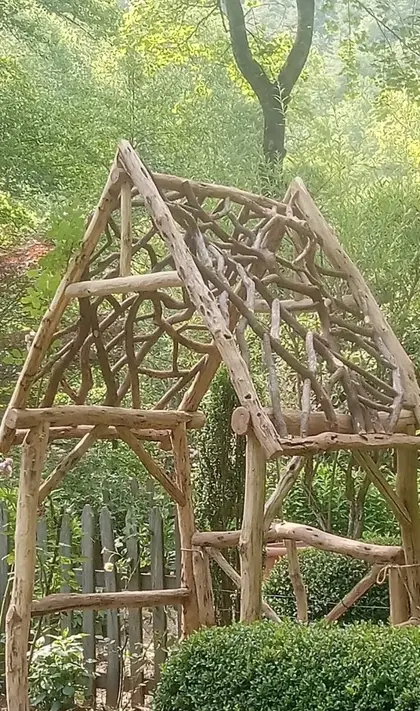
Arbors, arches and wedding structures — locust posts under a sprung top, filled in with the branch work the tree gave us. The pieces people photograph.
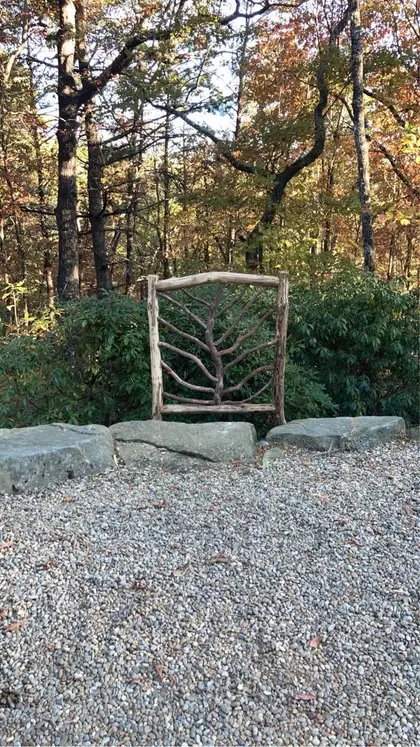
The part of the fence everybody actually touches. Gates, entry structures, latches and hardware — hung so they still swing true after a few winters.
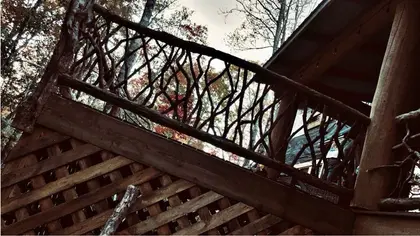
Covered entries, porch extensions and garden structures framed in locust. Heavy timber that carries a roof and still reads as part of the woods it came from.
Benches, tables, shelving and smaller pieces. Indoors, drawknifed locust runs twenty years and up — with a little care, a good deal longer than that.
Pergolas, trellises, garden frames, signage, something you sketched on the back of an envelope. Locust does not care what shape you want it in, and after a lifetime of this neither do we. If you can describe it, we can tell you honestly whether it should be built from this wood — and what it would take.
Locust is well known in Appalachia as the wood you use when you want the thing to still be standing later. It is hard, it is getting harder to find, and it does not need a coat of anything to survive a winter outdoors.
Locust is the hardest wood in North America and getting harder to find. Outdoors it runs about ten years — far past what pressure-treated pine manages. Indoors it goes twenty and up, and with upkeep a great deal longer than that.
We take the bark off and the outer layers with it — the soft layer on black locust, the less-sturdy layer on yellow. It is slow work and it is the whole reason the wood lasts. A barked fence needs sections replaced every two to five years. A drawknifed one does not.
Our fathers started this. There are two of us now, one from each brother, and we are the two who wanted to carry it on. You deal with an owner from the first walk of the property to the last rail set.
Locust comes to us two ways. They are not interchangeable, and which one your piece wants depends on what it has to do.
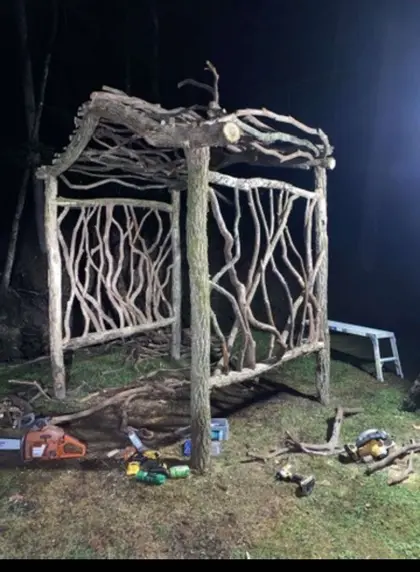
Seasoned standing, from a dying or dead tree the woods has already worked on. Harder than yellow, and it gives up the gnarliest, most characterful pieces we build with. Black on the outer layer, still gold the whole way through. Cream of the crop.
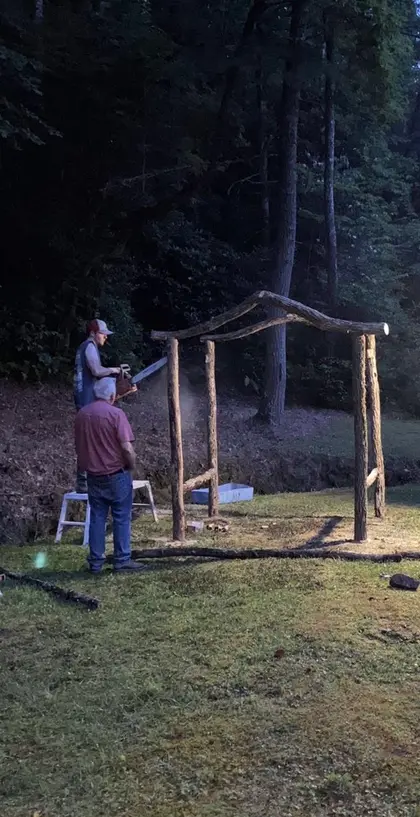
Cut live. Not as hard as black and it will not stand as long, but it is beautiful wood and it takes a design cleanly. Both grades are yellow inside — one is simply brighter than the other.
Drawknifing takes the bark off and the softer outer layers with it, down to wood that will not rot in a hurry. It is the reason a locust fence lasts. Some people want the bark left on anyway, for the look, and we will build it that way — but barked work is inferior to barkless in every measure of longevity, and it typically needs sections replaced every two to five years. If that is the look you want, the maintenance plan is how you keep it.
From the first walk of the property to the last rail set, here is exactly what happens and who handles it.
We come out, walk the line or the room, and talk through what the piece has to do. You will hear a straight answer about whether locust is the right wood for it.
Itemised — material, grade, labour and haul-away spelled out, and the bark question settled in writing. The number you sign is the number you pay.
Stock gets picked for the job, then drawknifed down past the bark and the soft outer layers. This is the part that takes the time and it is the part that decides how long the work lasts.
We set it, we walk it with you, and we clean up behind us. If you have taken the maintenance plan, the first visit gets scheduled before we leave.
Twice a year, quarterly or monthly. We walk the whole property and replace what has started to go before it spreads — locust and everything else we have built for you.
Based in Lake Toxaway, NC. Close enough to come back when a section needs attention — which is the whole reason to hire someone from here.
and the surrounding Blue Ridge communities. Not sure? Call and ask — it's a quick answer.
Come and see what locust does. We'll measure, talk through black or yellow and whether you want the bark on, and put a written price in your hands.